
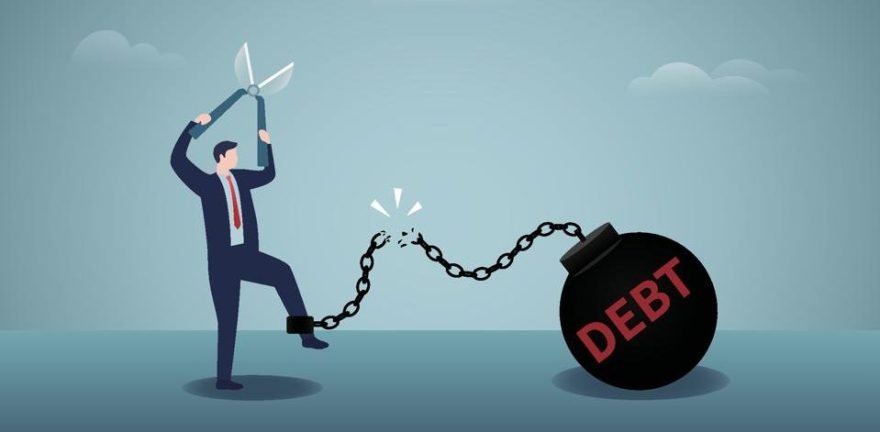
Managing cash flow is one of the most critical responsibilities in any business. While sales growth and market expansion often receive significant attention, unpaid invoices and overdue accounts can quietly erode financial stability. Many companies attempt to handle debt recovery internally, believing it will save time and money. However, there comes a point when internal efforts are no longer effective and may even damage business relationships.
A professional debt collection agency offers structured, compliant, and strategic solutions to recover outstanding payments without unnecessary conflict. Knowing when to involve professionals can make a significant difference between recovering funds successfully and facing prolonged financial strain. This article explores the key situations, warning signs, and strategic considerations that indicate it is time for a company to hire a professional debt collection agency.
Persistent Overdue Invoices and Failed Internal Collection Efforts
One of the clearest indicators that a company should hire a professional debt collection agency is the persistence of overdue invoices despite repeated internal follow-ups. In many cases, businesses start with polite reminders, emails, and phone calls, expecting customers to fulfill their obligations. While this approach works for short delays, prolonged non-payment often signals deeper issues.
When internal collection efforts fail, continuing the same approach rarely produces different results. Employees may lack specialized negotiation skills or legal understanding, which limits their effectiveness when dealing with resistant or unresponsive debtors. Over time, unpaid invoices accumulate, placing pressure on operational budgets and disrupting financial planning.
A professional debt collection agency applies structured methods, consistent follow-up, and experienced communication techniques to address overdue accounts. Their involvement also signals seriousness, encouraging debtors to prioritize settlement. By engaging professionals at this stage, companies can prevent bad debts from escalating and avoid wasting internal resources on unproductive collection attempts.
Cash Flow Disruptions Affecting Business Operations
Cash flow is the lifeblood of any organization. Even profitable companies can face serious challenges when incoming payments are delayed. When unpaid receivables begin to affect payroll, supplier payments, or investment plans, it becomes a strategic necessity to recover funds efficiently.
Relying solely on internal collection efforts during cash flow disruptions often leads to delayed decision-making and increased financial risk. Management teams may focus on short-term fixes instead of addressing the root cause of the problem. In such situations, a professional debt collection agency can provide immediate support by accelerating recovery efforts.
By outsourcing debt recovery to specialists, businesses can stabilize cash flow without diverting focus from core operations. Agencies like Master Debt Collector offer professional handling of outstanding debts, allowing companies to maintain financial discipline while continuing daily business activities. You can learn more about professional recovery solutions at https://masterdebtcollector.id/.
When Legal Compliance and Risk Management Become Critical
Debt collection involves legal and regulatory considerations that vary depending on jurisdiction and industry. Improper collection practices can expose a company to legal disputes, reputational damage, and regulatory penalties. Many businesses underestimate these risks when attempting to collect debts internally.
A professional debt collection agency understands applicable laws, ethical standards, and compliance requirements. They operate within defined legal frameworks, ensuring that collection activities remain lawful and defensible. This becomes especially important when dealing with complex corporate debts, disputed invoices, or cross-border transactions.
Hiring professionals reduces the risk of aggressive or inappropriate communication that could escalate conflicts. It also provides documentation and transparency throughout the recovery process. When legal exposure becomes a concern, engaging a professional agency is not just a practical choice but a necessary risk management strategy.
Preserving Long-Term Business Relationships
Maintaining positive relationships with customers and business partners is essential for sustainable growth. Internal collection efforts can sometimes blur professional boundaries, especially when employees feel pressured to recover funds quickly. This can lead to strained communication and damaged trust.
A professional debt collection agency acts as a neutral third party, creating emotional distance between the creditor and debtor. This separation allows for firm yet respectful communication focused on resolution rather than confrontation. Skilled collectors are trained to negotiate repayment plans while preserving mutual respect.
By outsourcing collection activities, companies demonstrate professionalism and consistency in their financial processes. This approach helps protect brand reputation and leaves the door open for future collaboration once the debt issue is resolved. In many cases, involving professionals actually improves outcomes by reducing tension and misunderstandings.
Limited Internal Resources and Expertise
As businesses grow, internal teams are often stretched across multiple responsibilities. Managing debt recovery requires time, persistence, and specialized skills that many organizations do not have in-house. Assigning collection duties to untrained staff can lead to inefficiency and frustration.
A professional debt collection agency brings dedicated expertise, established procedures, and experienced personnel focused solely on recovery. This allows internal teams to concentrate on sales, operations, and customer service without distraction. For companies experiencing rapid growth or managing a high volume of receivables, outsourcing becomes a practical and scalable solution.
Professional agencies also provide structured reporting and progress updates, enabling management to monitor recovery performance without micromanagement. This combination of efficiency and accountability makes professional debt collection an attractive option for companies seeking operational balance.
Early Warning Signs That Professional Help Is Needed
Recognizing early warning signs can help companies act before unpaid debts become unmanageable. These signs include repeated payment promises without follow-through, debtors avoiding communication, and increasing disputes over invoices that were previously accepted.
Another common indicator is when outstanding debts exceed acceptable aging thresholds, such as 60 or 90 days past due. At this stage, recovery becomes more challenging, and the likelihood of full payment decreases. Delaying professional intervention often reduces recovery rates.
By engaging a professional debt collection agency early, companies increase their chances of successful resolution. Early action demonstrates seriousness while still allowing room for constructive negotiation. Proactive engagement is often more cost-effective than reactive measures taken after significant financial damage has occurred.
Conclusion: Making a Strategic Decision for Financial Stability
Hiring a professional debt collection agency is not a sign of failure but a strategic decision to protect financial health and business integrity. Companies should consider professional assistance when internal efforts fail, cash flow is disrupted, legal risks emerge, or valuable relationships are at stake.
A well-chosen agency provides expertise, compliance, and structured recovery processes that internal teams may lack. By outsourcing debt collection to professionals such as Master Debt Collector, businesses can recover outstanding payments efficiently while maintaining professionalism and focus on growth. For more information about professional debt recovery services, visit https://masterdebtcollector.id/.
Understanding when to seek professional support allows companies to act decisively, minimize losses, and build a stronger financial foundation for the future.








 ID
ID  EN
EN