
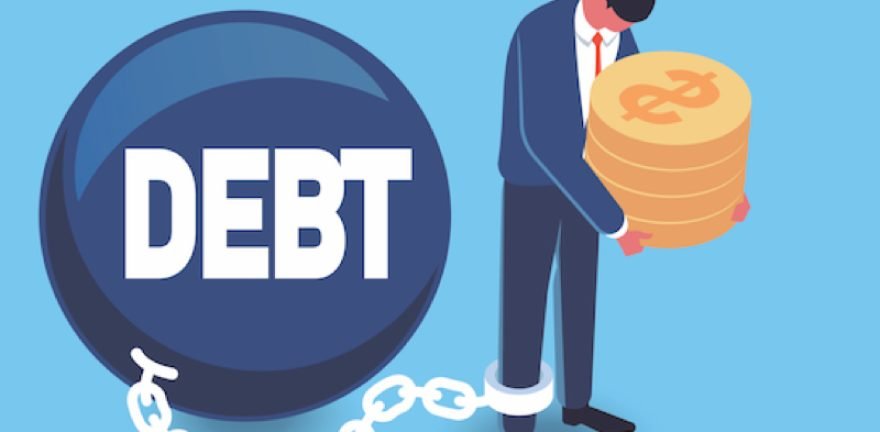
Debt collection is an essential component of business sustainability. While extending credit supports growth and long-term partnerships, unpaid invoices can quickly undermine cash flow and operational stability. In Indonesia, debt collection must be conducted carefully, balancing the creditor’s right to payment with ethical standards and legal boundaries.
Many misconceptions still surround debt collection, often associating it with intimidation or aggressive behavior. In reality, ethical and legal debt collection practices focus on structured communication, fairness, and respect for all parties involved. Businesses that understand these principles are better equipped to protect their reputation, avoid legal exposure, and recover outstanding receivables efficiently.
This article explores how ethical and legal debt collection works in Indonesia, why it matters for businesses, and how professional agencies apply these principles to achieve sustainable results.
The Importance of Ethics in Debt Collection
Ethics play a central role in modern debt collection. Ethical debt collection is not about pressuring debtors but about creating a constructive path toward resolution. In Indonesia’s relationship-driven business culture, maintaining respect and professionalism is especially important.
Ethical practices ensure that debtors are treated with dignity throughout the collection process. Communication is clear, factual, and non-threatening. Instead of focusing on blame, ethical collectors emphasize responsibility and cooperation. This approach reduces conflict and increases the likelihood of repayment.
For businesses, ethical debt collection protects brand reputation. Clients, partners, and stakeholders observe how a company handles disputes and financial challenges. When collection efforts align with ethical values, the business demonstrates integrity and professionalism. This credibility supports long-term growth and trust in the market.
Legal Foundations of Debt Collection in Indonesia
Legal compliance is a non-negotiable element of debt collection. In Indonesia, debt collection activities must follow applicable laws that regulate communication methods, documentation, and debtor rights. These legal frameworks exist to prevent abuse and ensure fairness.
Professional debt collectors understand that legal compliance strengthens recovery efforts rather than limiting them. By operating within the law, agencies reduce the risk of disputes and build legitimacy in the eyes of debtors. A legally sound approach also provides clarity, as all actions are supported by documented agreements and contractual obligations.
Businesses that ignore legal considerations often face serious consequences, including litigation and reputational damage. Therefore, understanding and respecting the legal aspects of debt collection is essential for any company seeking to recover unpaid debts responsibly.
The Role of Professional Debt Collection Agencies
Professional debt collection agencies act as intermediaries between creditors and debtors. Their role is to facilitate resolution while adhering to ethical and legal standards. In Indonesia, experienced agencies apply structured processes that prioritize compliance and effective communication.
These agencies assess each case individually, considering the nature of the debt, the debtor’s situation, and the business relationship involved. This assessment allows them to choose the most appropriate strategy, avoiding unnecessary escalation.
Professional agencies also maintain accurate records of all interactions. Documentation is critical in demonstrating transparency and compliance. This disciplined approach protects both the creditor and the debtor, ensuring that the collection process remains fair and accountable.
Ethical Communication and Negotiation Strategies
Communication is the foundation of ethical debt collection. How messages are delivered often determines whether a debtor cooperates or resists. Ethical collectors use respectful language and focus on solutions rather than confrontation.
In Indonesia, cultural sensitivity further enhances communication effectiveness. Understanding local norms, business etiquette, and negotiation styles helps collectors build rapport with debtors. This cultural awareness fosters trust and encourages open dialogue.
Negotiation is approached as a collaborative process. Ethical debt collection recognizes that financial difficulties can arise from genuine challenges. By exploring reasonable repayment options, collectors increase recovery rates while preserving professional relationships. This balanced approach benefits both parties and supports long-term business stability.
Avoiding Unethical and Illegal Practices
Unethical and illegal practices remain a concern in the debt collection industry. These practices include harassment, threats, misinformation, and unauthorized disclosure of debt information. Such actions not only violate ethical standards but also expose businesses to significant legal risks.
Companies must be vigilant in avoiding partnerships with agencies that rely on aggressive tactics. Short-term gains achieved through unethical methods often result in long-term damage, including lawsuits and loss of trust.
Ethical and legal debt collection practices emphasize prevention over confrontation. Clear documentation, consistent follow-ups, and professional conduct eliminate the need for coercive behavior. Businesses that prioritize these standards create a safer and more effective recovery environment.
How Ethical Debt Collection Supports Business Relationships
Maintaining business relationships is a key concern for many companies dealing with unpaid receivables. Ethical debt collection recognizes that today’s debtor may be tomorrow’s valuable partner. Preserving goodwill is therefore a strategic priority.
By focusing on fairness and transparency, ethical collection minimizes emotional tension. Debtors are more likely to engage positively when they feel respected and understood. This cooperation leads to quicker resolutions and reduces the risk of disputes.
For businesses, this approach aligns debt recovery with long-term objectives. Instead of damaging relationships, ethical debt collection reinforces professionalism and accountability. It sends a clear message that financial obligations matter, while still valuing partnership and mutual respect.
Why Compliance Enhances Recovery Effectiveness
Contrary to common belief, strict compliance with ethical and legal standards improves recovery outcomes. Debtors are more responsive when they perceive the process as legitimate and fair. Legal compliance provides clarity and structure, reducing uncertainty.
Professional agencies leverage compliance as a strategic advantage. By clearly outlining obligations and consequences within legal boundaries, they establish authority without intimidation. This clarity encourages timely responses and cooperative behavior.
For businesses, compliance also reduces internal risk. Management teams can focus on operations, knowing that debt recovery efforts align with regulatory requirements and ethical principles. This peace of mind is invaluable in complex financial environments.
Choosing a Trusted Partner for Ethical Debt Collection
Selecting the right debt collection partner is crucial for implementing ethical and legal practices effectively. Businesses should look for agencies that demonstrate professionalism, compliance awareness, and a commitment to ethical conduct.
A reliable partner understands that debt collection is not merely a financial transaction but a reputational matter. They act as an extension of the business, representing its values and standards in every interaction.
For companies seeking responsible and compliant debt recovery solutions in Indonesia, Master Debt Collector provides professional services built on ethical and legal foundations. More information about responsible debt collection practices is available at https://masterdebtcollector.id/.
Conclusion: Building Sustainable Debt Recovery Through Ethics and Law
Understanding ethical and legal debt collection practices in Indonesia is essential for businesses that want to recover receivables without compromising integrity. Ethical conduct fosters cooperation, while legal compliance protects all parties involved.
Debt collection, when done correctly, strengthens financial discipline and reinforces professional relationships. It transforms unpaid invoices from a source of stress into an opportunity for structured resolution.
By partnering with a professional and ethical agency such as Master Debt Collector, businesses can ensure that debt recovery supports long-term growth, protects reputation, and upholds the highest standards of professionalism. Visit https://masterdebtcollector.id/ to learn how ethical and legal debt collection can contribute to sustainable business success.








 ID
ID  EN
EN