
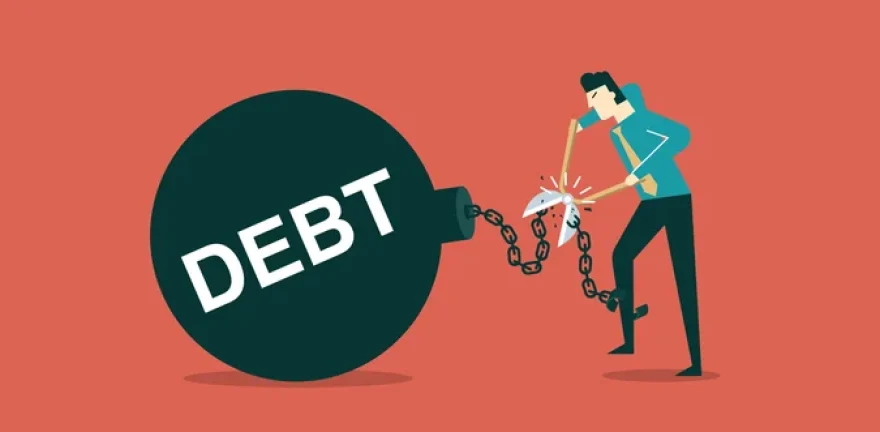
Unpaid receivables remain one of the most persistent financial risks for businesses operating in complex and competitive markets. In Indonesia, delayed payments can quietly disrupt cash flow, slow operational growth, and create uncertainty in long-term planning. Many companies attempt to resolve overdue accounts internally, only to discover that informal reminders and repeated negotiations rarely produce consistent results. This is where debt recovery Indonesia services become an essential strategic function rather than a last-minute reaction.
Professional recovery solutions help organizations secure outstanding payments through lawful, ethical, and structured processes. Instead of damaging relationships or exposing companies to legal risk, modern recovery practices focus on compliance, documentation accuracy, and constructive negotiation. Understanding how debt recovery works in Indonesia allows businesses to protect revenue while maintaining credibility in the marketplace.
Understanding the Debt Recovery Landscape in Indonesia
The environment surrounding debt recovery Indonesia is shaped by legal procedures, commercial customs, and expectations of professional conduct. Businesses cannot rely on aggressive or informal tactics, as these approaches may lead to disputes, reputational harm, or regulatory complications. Effective recovery therefore depends on structured communication, verifiable documentation, and adherence to civil law principles.
A key characteristic of Indonesia’s recovery landscape is the importance of evidence. Credit agreements, invoices, delivery confirmations, and correspondence records all play a role in validating claims. Without proper documentation, even legitimate debts can become difficult to enforce. Professional recovery agencies understand how to organize and present this information to support lawful collection efforts.
Another important factor is cultural and relational sensitivity. Commercial relationships in Indonesia often emphasize negotiation, mutual respect, and gradual resolution. Ethical recovery strategies that acknowledge these dynamics are typically more successful than confrontational approaches. Constructive dialogue can encourage voluntary repayment, preserving the possibility of future cooperation between creditor and debtor.
By recognizing these legal and social dimensions, companies can approach recovery as a disciplined business process rather than an uncertain confrontation. This perspective forms the foundation for sustainable financial management.
Why Companies Need Professional Debt Recovery Services
Relying solely on internal teams for overdue accounts may appear cost-efficient, but it often leads to hidden operational losses. Staff members must divide attention between revenue generation and persistent follow-ups, reducing productivity across departments. Engaging debt recovery Indonesia professionals allows organizations to refocus on core business activities while specialists manage the complexity of collection.
Professional agencies contribute structured methodologies that increase the likelihood of resolution. These typically include staged communication, formal demand procedures, negotiation frameworks, and—when necessary—lawful escalation. Because each step follows recognized standards, recovery efforts remain defensible and transparent.
Risk management is another major advantage. Improper collection behavior can trigger counterclaims, legal complaints, or reputational damage. Experienced recovery providers minimize these risks by ensuring compliance with applicable regulations and ethical norms. This protection is especially valuable for companies operating in regulated industries or maintaining sensitive public reputations.
Financial predictability also improves when receivables are handled systematically. Recovering overdue payments strengthens liquidity, supports investment planning, and reduces dependency on external financing. Over time, consistent recovery performance contributes to stronger credit control policies and healthier balance sheets.
These combined benefits demonstrate that professional recovery is not merely about collecting past-due funds—it is a strategic safeguard for long-term corporate stability.
Legal and Ethical Principles Guiding Debt Recovery Indonesia
Compliance is central to any credible debt recovery Indonesia strategy. Collection activities must respect civil law procedures, consumer protection considerations, and standards of professional communication. Ethical conduct is not optional; it is fundamental to ensuring that recovered funds remain legally secure and reputationally safe.
One essential principle is transparency. Debtors must clearly understand the origin, amount, and status of their obligations. Misrepresentation or intimidation undermines enforceability and may expose the creditor to liability. Professional recovery agencies therefore prioritize accurate information and documented communication at every stage.
Proportionality is equally important. Recovery actions should escalate gradually, beginning with reminders and negotiation before considering formal legal pathways. This measured approach demonstrates good faith and often leads to faster voluntary settlement.
Confidentiality also plays a significant role. Sensitive financial information must be handled responsibly to protect both parties. Ethical agencies implement internal controls to ensure data security and professional discretion.
Ultimately, legality and ethics reinforce one another. When recovery follows proper standards, businesses gain confidence that outcomes are sustainable, defensible, and aligned with responsible corporate governance.
Key Features of an Effective Debt Recovery Partner
Selecting the right partner for debt recovery Indonesia requires more than reviewing promotional claims. Companies should evaluate operational structure, communication philosophy, and long-term reliability.
A strong recovery partner demonstrates procedural clarity. Written workflows, reporting systems, and documented progress updates signal accountability. Businesses should always know the current status of each case without uncertainty.
Communication quality is another defining feature. Respectful, solution-oriented dialogue encourages cooperation and reduces resistance from debtors. Skilled negotiators balance firmness with professionalism, aiming for resolution rather than confrontation.
Industry familiarity further enhances effectiveness. Different sectors involve distinct payment cycles, contractual norms, and dispute patterns. Agencies experienced in relevant industries can design tailored strategies that accelerate recovery.
Equally important is alignment with compliance standards. A trustworthy partner integrates legal awareness into daily operations, ensuring that every interaction supports enforceable outcomes. Companies seeking structured and reliable assistance may explore professional solutions available through Master Debt Collector as part of a broader financial risk-management strategy.
Choosing the right partner transforms recovery from an unpredictable burden into a controlled and measurable business function.
Long-Term Business Impact of Structured Debt Recovery
The influence of effective debt recovery Indonesia extends well beyond immediate payment collection. One of the most significant long-term outcomes is improved financial discipline. When receivables are monitored and resolved consistently, organizations develop clearer credit policies and stronger contractual safeguards.
Operational resilience also increases. Stable cash flow enables companies to manage expenses, invest in growth, and navigate market fluctuations with greater confidence. This resilience becomes especially valuable during economic uncertainty, when delayed payments tend to rise.
Reputation management represents another critical dimension. Ethical recovery practices demonstrate professionalism and responsibility, reinforcing trust among partners and clients. Businesses known for fair yet firm financial governance often attract more reliable commercial relationships.
Data insights gained during recovery processes can further refine decision-making. Patterns in payment delays, dispute causes, or sector-specific risks provide valuable intelligence for improving future transactions. Over time, this knowledge reduces the likelihood of recurring delinquency.
Through these cumulative effects, structured recovery evolves into a strategic pillar supporting sustainability, governance, and competitive strength within Indonesia’s dynamic economy.
Conclusion: Securing Business Stability Through Debt Recovery Indonesia
Managing overdue payments is an unavoidable challenge, but it does not need to threaten business continuity. With the right approach, debt recovery Indonesia becomes a disciplined system that protects liquidity, reputation, and long-term growth. Legal compliance, ethical communication, and professional structure ensure that recovered funds contribute to stability rather than risk.
Companies that treat recovery as a strategic function—rather than an emergency response—position themselves for stronger financial control and more predictable operations. In a competitive commercial environment, this advantage can define the difference between stagnation and sustainable expansion.
Exploring professional recovery support is therefore not merely a corrective measure but a forward-looking investment in organizational resilience and responsible financial management.







 ID
ID  EN
EN