
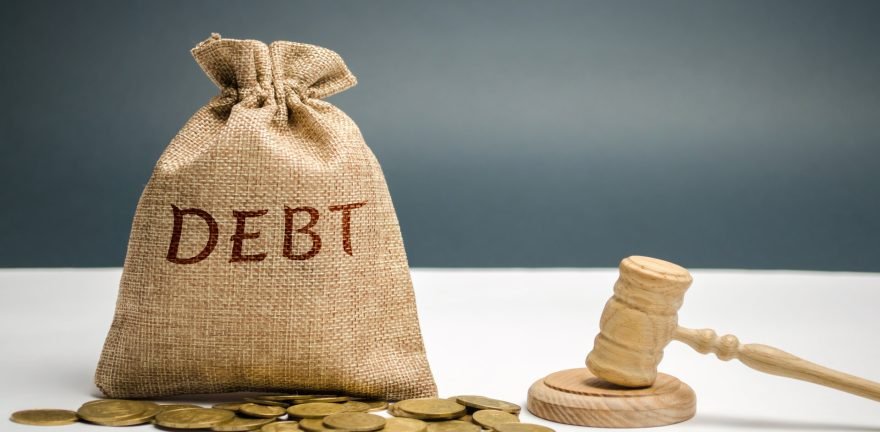
Debt collection in Indonesia is an essential process for both companies and individuals seeking to recover unpaid debts in a lawful and ethical manner. In a country where financial transactions are rapidly increasing, debt collection plays a critical role in maintaining business stability, ensuring fair financial practices, and protecting the interests of both creditors and debtors. However, the legal landscape surrounding debt recovery can be complex and requires expertise to navigate effectively.
This article explores the legal process of debt collection in Indonesia and outlines best practices that businesses can follow to recover debts efficiently and professionally. Whether you are a business owner, financial manager, or legal consultant, understanding how debt collection works in Indonesia will help you take the right steps while staying compliant with national regulations.
1. Understanding Debt Collection in Indonesia
Debt collection refers to the process of pursuing payments of money owed by individuals or organizations. In Indonesia, debt collection is regulated under several laws, including the Indonesian Civil Code (KUH Perdata), the Banking Law, and the Financial Services Authority (OJK) regulations.
In simple terms, debt collection can occur in two ways: amicable (non-litigation) or legal (litigation). Amicable collection involves negotiation and communication between the creditor and debtor to reach a peaceful resolution. Legal collection, on the other hand, involves filing a lawsuit when the debtor fails to cooperate.
Professional and licensed debt collection agencies, such as Master Debt Collector, provide structured services to manage these processes lawfully. These agencies understand how to handle sensitive financial matters while respecting both parties’ rights and ensuring compliance with Indonesian law.
2. The Legal Framework for Debt Collection
Debt collection in Indonesia operates within a well-defined legal framework. The Civil Code outlines the obligations and rights of both debtors and creditors. When a debtor fails to meet financial obligations, the creditor has the legal right to demand payment or take necessary steps through the court system.
The Indonesian Supreme Court Regulation No. 2 of 2015 emphasizes fair collection practices, ensuring that no intimidation or unethical methods are used during recovery. Additionally, Law No. 8 of 1999 on Consumer Protection safeguards individuals from harassment during collection activities.
For corporate debts, the Commercial Court has authority over bankruptcy and suspension of debt payment obligations (PKPU). This mechanism provides a formal route for creditors to recover debts when a debtor is insolvent.
Engaging a licensed and certified debt collection agency is crucial because they operate within this legal framework. Agencies like Master Debt Collector are trained to handle all procedures in compliance with national regulations, reducing the risk of legal disputes for their clients.
3. The Step-by-Step Legal Process of Debt Collection
The process of debt collection in Indonesia generally involves several structured steps:
a. Initial Communication
The creditor or their representative sends a formal demand letter (somasi) to the debtor, outlining the total amount due, payment terms, and deadlines. This step serves as a legal notice and allows the debtor an opportunity to settle before further action.
b. Negotiation and Mediation
If the debtor responds positively, negotiations or mediation can take place to reach a mutually beneficial agreement. This approach is preferred because it saves time and legal costs.
c. Filing a Lawsuit
When amicable attempts fail, the creditor may file a lawsuit in the District Court (Pengadilan Negeri) or the Commercial Court depending on the nature of the debt. The court will then review the case, examine evidence, and issue a judgment.
d. Court Enforcement
Once the court decides in favor of the creditor, the ruling can be enforced through court bailiffs (jurusita) who may seize assets or enforce payment according to the court’s decision.
Each stage must be handled with precision and compliance with procedural law. A professional debt collection agency ensures that each step follows the proper legal channels, maintaining both efficiency and legitimacy.
4. Benefits of Using a Licensed Debt Collection Agency
Partnering with a licensed debt collection agency provides multiple benefits for businesses. Firstly, it ensures that the recovery process adheres to all applicable laws, reducing the risk of reputational or legal damage. Licensed collectors are required to maintain ethical standards and operate transparently under OJK supervision.
Secondly, these agencies bring experience and negotiation skills to handle debtors effectively without harming relationships. Many businesses prefer outsourcing debt collection because it allows them to focus on core operations while professionals handle financial disputes.
Lastly, a licensed agency like Master Debt Collector has access to legal professionals, document management systems, and nationwide networks, making debt recovery faster and more reliable. Their expertise allows creditors to recover outstanding payments while maintaining compliance with Indonesian law.
5. Best Practices for Successful Debt Recovery
To ensure effective and ethical debt collection, companies in Indonesia should follow several best practices:
-
Maintain Accurate Documentation: Keep contracts, invoices, and communication records well-organized. These documents serve as evidence in case of disputes.
-
Communicate Professionally: Always use polite and respectful language when dealing with debtors to maintain a positive business image.
-
Set Clear Credit Terms: Before extending credit, ensure that all payment terms, due dates, and penalties are clearly stated in writing.
-
Use Legal Channels: Avoid taking matters into your own hands. Always seek professional or legal assistance when necessary.
-
Monitor Cash Flow Regularly: Implement financial tracking systems to identify overdue payments early.
Following these practices helps prevent conflicts and strengthens financial discipline within a company.
6. The Role of Technology in Modern Debt Collection
In recent years, digital transformation has reshaped debt collection in Indonesia. Agencies now use advanced tools such as data analytics, automated reminders, and secure digital communication platforms to streamline the recovery process.
Technology enhances efficiency by providing real-time tracking of payments, improving accuracy, and enabling transparent reporting for clients. Moreover, secure databases protect sensitive financial information from unauthorized access.
Digital communication tools, including email notifications and online payment gateways, also make it easier for debtors to fulfill their obligations promptly. Licensed agencies that leverage technology — such as Master Debt Collector — can deliver faster, more accurate, and customer-friendly debt recovery services.
7. Ensuring Compliance and Ethical Standards
Compliance is the cornerstone of professional debt collection. Every interaction must respect the rights and dignity of the debtor. The Indonesian government has strict regulations to prevent abusive practices, including threats or public shaming.
A reputable agency ensures that all actions are guided by ethical principles, including confidentiality, fairness, and professionalism. Training and certification programs help collectors maintain high ethical standards and adhere to legal protocols.
Using a licensed debt collection service is therefore not only about efficiency but also about upholding integrity and trust in financial transactions.
Conclusion
Debt collection in Indonesia is a multifaceted process that requires legal understanding, strategic communication, and strict adherence to regulations. Businesses and individuals seeking to recover outstanding debts must ensure their approach is both professional and lawful.
Partnering with a licensed and certified debt collection agency, such as Master Debt Collector, offers the safest and most efficient path to resolution. Their expertise in Indonesian debt laws, ethical negotiation, and structured recovery processes allows creditors to reclaim what is rightfully theirs without unnecessary conflict.
By following best practices, leveraging technology, and working with qualified professionals, companies can maintain strong financial health while respecting the legal and ethical boundaries that govern debt recovery in Indonesia.








 ID
ID  EN
EN