
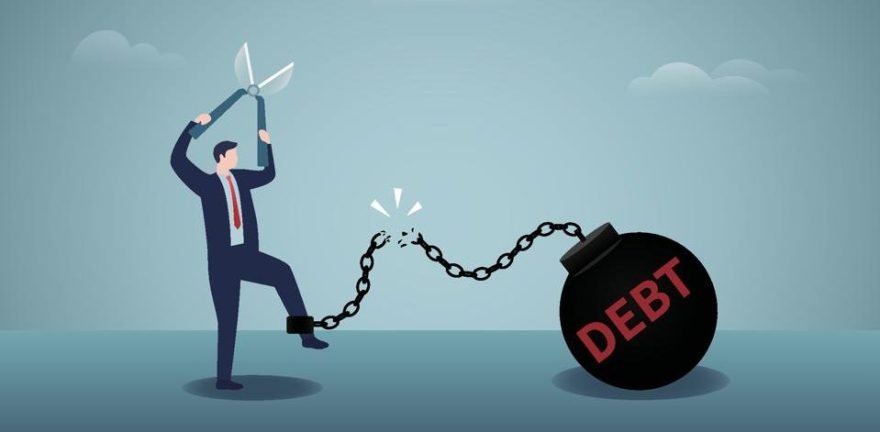
Unpaid invoices and overdue receivables are among the most common financial challenges faced by businesses in Indonesia. Whether a company operates in manufacturing, distribution, services, or project-based industries, delayed payments can significantly disrupt cash flow and operational stability. This is why many organizations rely on professional debt collection agencies in Indonesia to manage outstanding receivables in a structured, lawful, and effective manner.
This guide provides a comprehensive overview of how professional debt collection agencies operate, what businesses should expect from the process, and why engaging experienced professionals can help secure receivables without damaging long-term business relationships. For companies seeking structured and compliant solutions, more information can be found at https://masterdebtcollector.id/.
Understanding the Role of Professional Debt Collection Agencies
A professional debt collection agency acts as an intermediary between a creditor and a debtor. Unlike informal or aggressive approaches, professional agencies operate based on legal frameworks, ethical standards, and communication strategies designed to recover debts while preserving reputational integrity.
In Indonesia, reputable debt collection agencies focus on:
-
Lawful communication methods
-
Document-based validation
-
Professional negotiation
-
Risk mitigation for clients
-
Structured reporting and accountability
Their primary objective is not confrontation, but resolution.
Why Businesses in Indonesia Use Debt Collection Agencies
Many businesses initially attempt internal collection efforts. However, as accounts age, internal teams often face limitations in time, expertise, and authority. This is where professional agencies provide measurable value.
Cash Flow Protection
Delayed receivables restrict a company’s ability to reinvest, pay suppliers, or scale operations. Professional debt collection accelerates recovery and stabilizes cash flow.
Operational Efficiency
Outsourcing collection allows internal teams to focus on core business activities rather than prolonged follow-ups and negotiations.
Risk Reduction
Improper collection practices can expose a company to legal and reputational risks. Professional agencies mitigate these risks through compliant procedures.
Structured Communication
Experienced collectors understand how to communicate with corporate debtors at different organizational levels, improving response rates and resolution outcomes.
How Professional Debt Collection Agencies Operate in Indonesia
While each agency has its own internal processes, reputable firms generally follow a structured operational framework.
1. Initial Case Review and Documentation Assessment
Before initiating any collection activity, the agency conducts a thorough review of the case. This stage is critical to ensure legitimacy and enforceability.
Documents typically reviewed include:
-
Contracts or agreements
-
Invoices and billing records
-
Delivery or service completion evidence
-
Correspondence history
-
Payment terms and due dates
This assessment ensures the debt is valid and collectible under Indonesian business practices.
2. Debtor Profiling and Risk Evaluation
Professional agencies do not apply a one-size-fits-all approach. Instead, they analyze the debtor’s profile, including:
-
Business structure
-
Industry sector
-
Payment history
-
Financial behavior patterns
-
Communication responsiveness
This analysis helps determine the most appropriate and effective collection strategy.
3. Strategic Collection Planning
Once the data is verified, the agency develops a tailored collection plan. This plan aligns with:
-
The creditor’s objectives
-
The debtor’s profile
-
The age and size of the receivable
-
Relationship sensitivity
Strategic planning ensures the collection process remains effective without escalating unnecessarily.
4. Professional Communication and Formal Notification
Collection typically begins with formal communication. This may include:
-
Official payment reminders
-
Written notices
-
Structured phone communication
-
Professional email correspondence
The tone remains firm, clear, and respectful, emphasizing obligation rather than intimidation.
5. Negotiation and Resolution Facilitation
When a debtor responds, professional agencies focus on constructive dialogue. Negotiation may involve:
-
Clarifying disputes or misunderstandings
-
Aligning expectations
-
Exploring feasible settlement options
-
Encouraging commitment and compliance
The objective is resolution, not confrontation.
6. Field Visits When Necessary
If remote communication proves ineffective, agencies may conduct on-site visits following strict professional protocols. These visits are carried out respectfully and lawfully, ensuring compliance with ethical standards.
7. Continuous Monitoring and Follow-Up
Professional debt collection is not a one-time action. Agencies conduct consistent follow-ups, monitor commitments, and ensure agreed actions are completed.
8. Reporting and Transparency
Reputable agencies provide periodic updates to clients. These reports typically include:
-
Status of each case
-
Debtor responses
-
Progress indicators
-
Strategic recommendations
This transparency allows businesses to make informed decisions.
Key Standards of Professional Debt Collection Agencies
Not all agencies operate at the same level. Businesses should look for agencies that demonstrate the following standards:
Legal Compliance
Professional agencies operate within Indonesian regulations and business ethics, protecting clients from legal exposure.
Professional Conduct
Communication is respectful, structured, and free from harassment or intimidation.
Data Confidentiality
Client and debtor data are handled securely, ensuring privacy and trust.
Clear Procedures
Established standard operating procedures reflect accountability and professionalism.
Business-Oriented Approach
Agencies understand that preserving long-term business relationships can be as important as recovering funds.
Common Challenges in Business Debt Collection
Professional agencies are often engaged when internal efforts face obstacles such as:
-
Debtors avoiding communication
-
Complex corporate structures
-
Administrative delays
-
Internal approval bottlenecks
-
Relationship sensitivity
Experienced collectors are trained to navigate these challenges effectively.
Why Timely Debt Collection Matters
Delaying collection efforts can significantly reduce recovery probability. Over time:
-
Debtors become harder to contact
-
Financial conditions may deteriorate
-
Documentation may become outdated
-
Payment motivation declines
Engaging professional support early increases recovery success and minimizes losses.
Impact of Debt Collection on Business Cash Flow
Healthy cash flow is the backbone of sustainable operations. Effective debt collection helps businesses:
-
Maintain operational liquidity
-
Meet financial obligations
-
Support growth initiatives
-
Strengthen financial forecasting
Professional agencies play a key role in maintaining this financial stability.
Ethical Considerations in Debt Collection
Modern debt collection emphasizes ethical practices. Professional agencies reject coercive tactics and instead rely on:
-
Clear communication
-
Legal clarity
-
Mutual respect
-
Solution-oriented negotiation
This approach safeguards both creditor and debtor interests.
Choosing the Right Debt Collection Partner
When selecting a debt collection agency in Indonesia, businesses should prioritize:
-
Legal standing and credibility
-
Industry experience
-
Professional reputation
-
Transparency in communication
-
Ethical operating standards
Working with the right partner enhances recovery while protecting corporate image.
Long-Term Benefits Beyond Debt Recovery
Beyond immediate recovery, professional agencies can support businesses by:
-
Identifying systemic credit risks
-
Improving receivables management
-
Strengthening internal credit policies
-
Reducing future delinquency
This creates long-term financial resilience.
Conclusion
Understanding how professional debt collection agencies in Indonesia operate allows businesses to make informed decisions when managing overdue receivables. Through structured processes, ethical standards, and strategic communication, professional agencies help businesses recover funds while maintaining stability and reputation.
For organizations seeking a compliant and professional approach to debt recovery, more details can be found at https://masterdebtcollector.id/. Choosing the right partner is not just about collecting debts—it is about protecting the future of your business.








 EN
EN  ID
ID