
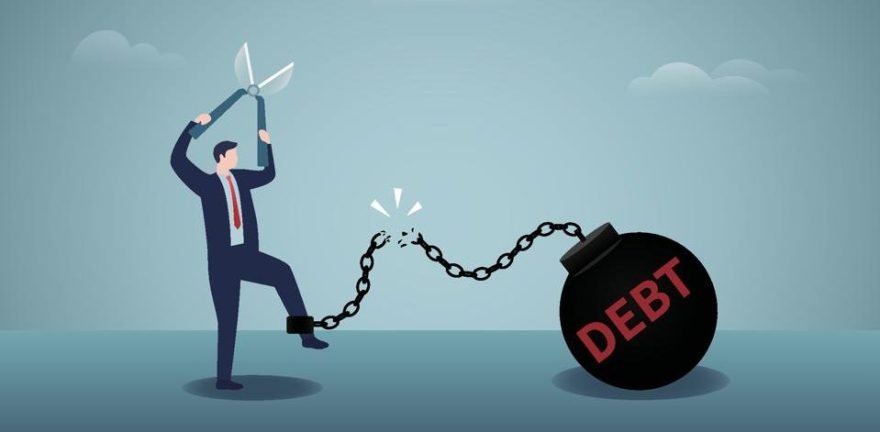
Business growth is often celebrated as a sign of success. Increasing sales, expanding client portfolios, and entering new markets are all positive milestones. However, behind this growth lies a financial reality that many companies underestimate: unpaid invoices and delayed payments. As transaction volumes increase, so does the complexity of managing receivables. Without a structured and professional approach to debt recovery, growth can quickly strain cash flow and operational stability.
Integrated debt recovery services are not merely about chasing unpaid bills. They represent a comprehensive system that aligns credit control, communication, legal awareness, and relationship management into one coordinated process. For growing businesses, especially those operating in competitive or credit-heavy environments, integration is no longer optional—it is essential. When debt recovery is fragmented or reactive, companies often face inconsistent follow-ups, legal exposure, and damaged client relationships.
An integrated approach allows businesses to maintain financial discipline while supporting sustainable expansion. It ensures that recovery efforts align with corporate values, legal standards, and long-term business objectives. Companies that adopt integrated debt recovery services early are better positioned to grow confidently, knowing that their revenue is protected and their cash flow remains predictable.
Understanding Integrated Debt Recovery Services
Integrated debt recovery services refer to a structured, end-to-end approach to managing overdue accounts within a single coordinated framework. Instead of treating debt collection as an isolated function activated only after payment failure, integration embeds recovery processes throughout the customer lifecycle. This includes credit assessment, invoice management, communication strategies, negotiation protocols, and escalation procedures.
At its core, integration ensures continuity. Each stage of the recovery process is connected, allowing accurate documentation, consistent messaging, and informed decision-making. This approach reduces the risk of miscommunication between internal teams or external partners and ensures that every action taken is aligned with legal and ethical standards.
For growing businesses, integration also means scalability. As transaction volumes increase, manual or fragmented processes become inefficient and error-prone. Integrated services introduce structured workflows that can adapt to higher volumes without sacrificing control or professionalism. This is particularly important in B2B environments where payment terms are complex and relationships are ongoing.
By working with a professional provider such as https://masterdebtcollector.id/, businesses can access integrated systems that combine expertise, process discipline, and strategic insight. The result is not only improved recovery outcomes but also stronger financial governance across the organization.
How Integration Protects Business Cash Flow
Cash flow is the lifeblood of any growing business. Even profitable companies can experience financial distress if receivables are delayed or uncollected. Integrated debt recovery services play a critical role in protecting cash flow by reducing payment cycles and improving predictability.
An integrated system enables early detection of payment risks. Through consistent monitoring and follow-up, potential issues are addressed before they escalate into severe delinquencies. This proactive approach prevents accounts from aging excessively, which significantly improves recovery probability.
Furthermore, integration allows businesses to prioritize recovery efforts based on risk, value, and customer history. High-impact accounts receive focused attention, while lower-risk cases are managed efficiently through standardized communication. This strategic allocation of resources ensures that recovery efforts contribute directly to liquidity rather than consuming operational capacity.
Most importantly, integrated services reduce reliance on emergency measures such as short-term borrowing or operational cutbacks. When cash flow remains stable, businesses can reinvest confidently in growth initiatives, talent acquisition, and innovation. In this way, integrated debt recovery becomes not just a defensive function but a strategic enabler of expansion.
Strengthening Payment Compliance Through Structure
Payment compliance is rarely achieved through pressure alone. It is the result of clarity, consistency, and professionalism. Integrated debt recovery services strengthen compliance by establishing clear expectations and enforcing them systematically.
From the outset, integrated systems ensure that payment terms are communicated transparently and documented accurately. When invoices are issued, follow-up schedules are already in place, reducing ambiguity for clients. If delays occur, responses are timely and proportional, reinforcing the seriousness of payment obligations without unnecessary confrontation.
Consistency is particularly important for growing businesses with expanding client bases. Without integration, different customers may receive different treatment, leading to confusion or perceptions of unfairness. Integrated services standardize communication while still allowing flexibility for legitimate circumstances.
Over time, this structured approach reshapes client behavior. Customers understand that payment obligations are monitored and enforced professionally, which encourages timely settlement. As compliance improves, recovery efforts become less intensive, creating a positive cycle that benefits both the business and its clients.
Preserving Business Relationships While Recovering Debt
One of the most common concerns among growing businesses is the fear that debt recovery efforts will damage valuable relationships. Integrated debt recovery services address this concern by balancing firmness with professionalism.
Rather than relying on aggressive tactics, integrated systems emphasize respectful communication and solution-oriented negotiation. Each interaction is guided by predefined protocols that prioritize clarity, fairness, and mutual understanding. This approach preserves trust while still reinforcing accountability.
Integration also ensures that recovery actions are aligned with customer history and strategic value. Long-term clients experiencing temporary difficulties can be approached differently from habitual late payers. This nuanced handling is only possible when information is centralized and accessible.
By partnering with experienced professionals such as https://masterdebtcollector.id/, businesses gain access to trained specialists who understand how to navigate sensitive situations. The result is a recovery process that protects revenue without sacrificing reputation or long-term partnerships.
Reducing Legal and Operational Risk
As businesses grow, legal and regulatory exposure increases. Improper debt collection practices can lead to disputes, reputational damage, or even legal sanctions. Integrated debt recovery services reduce these risks by embedding compliance into every stage of the process.
Integration ensures that all actions are documented, justified, and aligned with applicable regulations. Communication records, payment histories, and negotiation outcomes are maintained systematically, providing transparency and accountability. This documentation is invaluable in the event of disputes or audits.
Operational risk is also reduced through standardization. Clear procedures minimize errors, duplication, and inconsistent decision-making. Internal teams spend less time resolving conflicts or correcting mistakes, allowing them to focus on core business activities.
For growing businesses operating across multiple markets or client segments, integrated services provide a reliable framework that adapts to complexity without increasing risk. This stability supports sustainable growth while protecting the organization from avoidable liabilities.
Why Growing Businesses Cannot Afford Fragmented Recovery
Fragmented debt recovery processes may appear manageable in early-stage operations, but they quickly become liabilities as businesses scale. Disconnected systems, ad hoc follow-ups, and unclear responsibilities create inefficiencies that directly impact cash flow and customer relationships.
Without integration, information silos emerge. Sales, finance, and external collectors may operate independently, leading to inconsistent messaging and delayed action. Clients receive mixed signals, reducing compliance and increasing friction.
Integrated debt recovery services eliminate these gaps by providing a single, coherent framework. All stakeholders operate with shared visibility and aligned objectives. This coordination accelerates resolution and reinforces professionalism at every touchpoint.
For businesses focused on long-term growth, integration is an investment in resilience. It ensures that financial discipline grows alongside revenue, creating a stable foundation for expansion rather than hidden vulnerabilities.
Conclusion: Integration as a Strategic Growth Tool
Integrated debt recovery services are no longer a luxury reserved for large corporations. For growing businesses, they are a strategic necessity. By aligning recovery efforts with cash flow management, relationship preservation, and legal compliance, integration transforms debt collection into a value-driven function.
Companies that adopt integrated approaches gain greater control over receivables, improved payment behavior, and reduced operational risk. More importantly, they create a culture of financial accountability that supports sustainable growth.
Partnering with a professional and experienced provider such as https://masterdebtcollector.id/ allows businesses to implement integrated debt recovery services without disrupting operations. With the right structure in place, growth becomes not only achievable but financially secure.







 EN
EN  ID
ID