
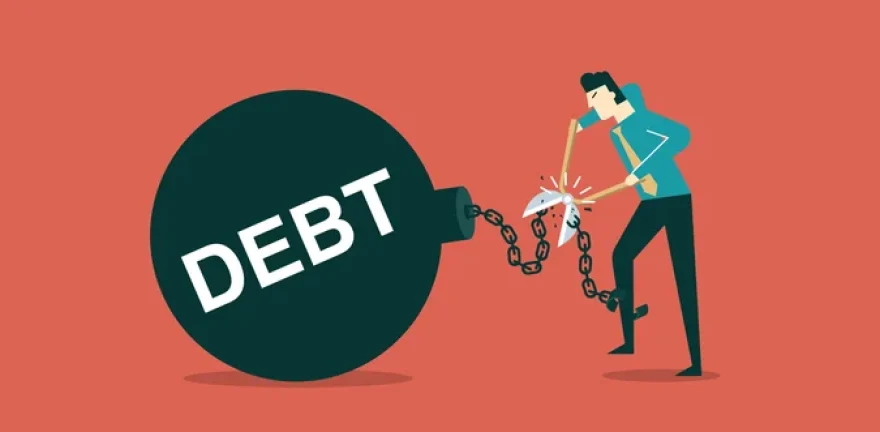
Managing accounts receivable and recovering outstanding debts is crucial for B2B companies. Unpaid invoices can disrupt cash flow, hinder growth, and create financial instability. Professional debt recovery services provide a structured and compliant solution to ensure businesses recover their funds efficiently. This guide explores the complete process of professional debt recovery, offering insights into strategies, best practices, and ethical considerations. For comprehensive solutions in Indonesia, businesses can explore services at https://masterdebtcollector.id/.
Step 1: Assessing and Categorizing Outstanding Accounts
The first step in professional debt recovery involves assessing all outstanding accounts. B2B companies need to evaluate the size of debts, payment history, and potential risk factors for non-payment. Professional debt recovery agencies perform detailed analyses to categorize accounts into low, medium, and high-risk levels.
This categorization allows agencies to prioritize efforts, focusing on accounts with the highest likelihood of recovery or the greatest financial impact. High-risk accounts may require tailored strategies, while low-risk accounts might be resolved with standard communication protocols. Accurate assessment ensures resources are allocated efficiently, reducing wasted effort and maximizing recovery rates.
Additionally, agencies review debtor creditworthiness and any external factors, such as market conditions or financial instability, to anticipate potential obstacles. This proactive evaluation forms the foundation of a structured debt recovery plan.
Step 2: Establishing Legal and Ethical Guidelines
Professional B2B debt recovery operates strictly within legal frameworks. Agencies ensure that all collection efforts comply with Indonesian laws, contractual obligations, and business regulations. Ethical considerations are equally important; agencies avoid harassment, intimidation, or any tactics that could harm a company’s reputation or lead to legal penalties.
Clear communication of legal and ethical guidelines provides confidence to both the client and the debtor. Agencies document all interactions, formal communications, and escalation steps. This documentation is essential if legal action becomes necessary, serving as a transparent record of efforts taken.
Adhering to compliance standards not only protects the business but also builds credibility with debtors, enhancing the likelihood of amicable resolution and repeat business.
Step 3: Initial Communication and Friendly Reminders
Once accounts are assessed and guidelines established, professional debt collectors begin initial communication. This stage typically involves polite reminders, formal letters, and structured phone calls to inform debtors of overdue invoices.
The goal is to resolve the debt amicably without escalating conflicts. Clear, professional communication helps maintain business relationships while prompting timely payment. Agencies use a combination of personalized messages and consistent follow-up schedules to ensure debtors understand their obligations.
Effective initial communication is critical for B2B recovery, as it balances firmness with professionalism, protecting both parties and increasing the likelihood of successful resolution.
Step 4: Negotiation and Structured Repayment Options
If initial reminders do not result in payment, professional agencies move to negotiation. Skilled collectors assess the debtor’s financial capacity and propose structured repayment plans that are feasible and enforceable.
Negotiation involves understanding the debtor’s constraints, maintaining professional dialogue, and finding mutually beneficial solutions. Structured repayment options increase the probability of recovering outstanding funds while maintaining positive business relationships.
Agencies ensure that all agreements are documented and legally binding, providing transparency and accountability. By addressing the debtor’s situation thoughtfully, agencies improve compliance and reduce the risk of disputes.
Step 5: Escalation to Legal Action
For B2B accounts that remain unpaid despite negotiation, professional debt recovery agencies are prepared to escalate the case legally. This step involves filing claims in accordance with Indonesian commercial law and using authorized legal channels to secure repayment.
Legal escalation is performed systematically, with prior documentation of all communications and attempts at amicable settlement. Agencies aim to maximize recovery while minimizing costs and risk. Legal escalation is a last resort, ensuring that only unresolved accounts are pursued through the courts, protecting the business from unnecessary expenditure and reputational risk.
Step 6: Reporting and Monitoring
Throughout the debt recovery process, agencies provide regular reporting and monitoring. Businesses receive updates on the status of each account, progress in communication, and results of negotiation efforts.
Transparent reporting allows management to make informed decisions, allocate resources effectively, and adjust strategies if necessary. Monitoring also ensures compliance with legal and ethical standards, giving businesses confidence that their accounts are managed responsibly.
This level of insight is particularly valuable for high-risk accounts, where proactive intervention can prevent significant financial loss and maintain operational stability.
Step 7: Preventive Measures for Future Accounts
Professional debt recovery services also advise businesses on preventive measures to reduce future exposure to unpaid debts. Recommendations may include conducting thorough credit assessments, setting structured payment terms, implementing early warning systems, and training internal staff on receivable management.
By proactively managing risk, companies can minimize the likelihood of future payment defaults. Preventive measures strengthen cash flow stability, protect relationships with clients, and ensure sustainable business operations.
In addition to the structured recovery process, professional debt collection agencies provide strategic advice to improve overall receivables management for B2B companies. They guide businesses in implementing best practices, such as timely invoicing, clear contract terms, and standardized follow-up schedules. By educating internal teams on effective credit control measures, agencies help prevent future overdue accounts and reduce the need for intensive collection efforts.
Agencies also emphasize the importance of maintaining strong business relationships during the collection process. Professional communication ensures that debtors feel respected and understood, which increases the likelihood of repayment without damaging the ongoing business partnership. Ethical collection practices enhance a company’s reputation, making it more attractive to new clients and maintaining trust with existing partners.
Furthermore, professional debt collectors provide valuable insights into market trends and debtor behavior. This data allows companies to refine credit policies, anticipate payment risks, and implement early intervention strategies. By integrating these preventive measures, businesses not only recover existing debts more effectively but also strengthen financial stability and long-term sustainability.
Conclusion
Professional debt recovery for B2B companies is a structured, ethical, and effective approach to managing outstanding accounts. From assessing risks to legal escalation and preventive measures, each step ensures compliance, transparency, and maximum recovery potential.
Businesses that partner with professional agencies can safeguard cash flow, protect client relationships, and focus on growth without the stress of unpaid invoices. For expert B2B debt recovery services in Indonesia, more information is available at https://masterdebtcollector.id/.
By following this step-by-step approach, companies can navigate debt recovery efficiently, ethically, and successfully, securing their financial stability and long-term business continuity.








 EN
EN  ID
ID