
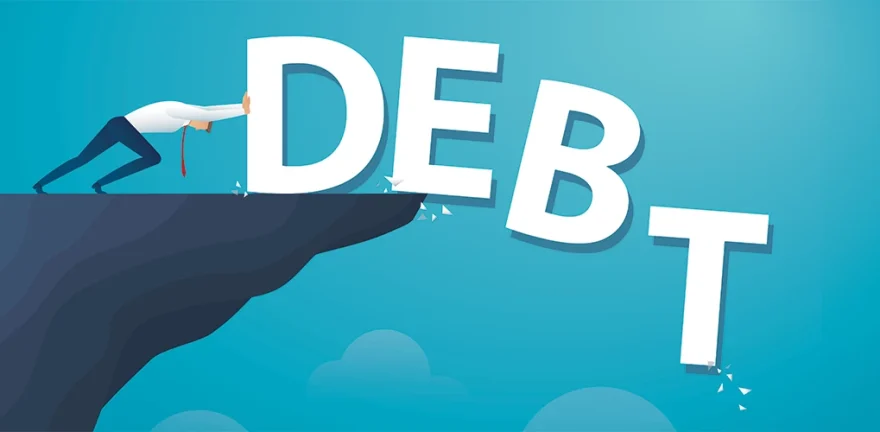
Debt recovery is a critical component of financial management for businesses operating in Indonesia. Late payments and unpaid receivables can disrupt cash flow, weaken operational stability, and create long-term financial risks. However, the way debt recovery is conducted is just as important as the outcome itself. Legal compliance and ethical practices are essential to protect a company’s reputation, avoid regulatory exposure, and preserve business relationships.
This article provides a comprehensive explanation of legal and ethical debt recovery processes in Indonesia, helping businesses understand how professional collection should be handled and why choosing a compliant approach is essential. Companies seeking a structured and responsible solution can explore more at https://masterdebtcollector.id/.
Why Legal and Ethical Debt Recovery Matters
In Indonesia’s business environment, debt recovery is not merely a financial exercise. It involves legal obligations, ethical considerations, and reputational accountability. Improper collection practices can result in disputes, legal action, or reputational damage that outweighs the value of the recovered debt.
Legal and ethical recovery ensures that:
-
Creditors remain compliant with applicable regulations
-
Debtors are treated with fairness and respect
-
Business relationships are preserved where possible
-
Long-term corporate credibility is protected
A professional approach balances firm enforcement with responsible conduct.
The Legal Foundation of Debt Recovery in Indonesia
Legal debt recovery in Indonesia is rooted in contractual obligations, civil law principles, and procedural fairness. Every collection action must be supported by valid documentation and conducted within lawful boundaries.
Contractual Basis
Most business debts originate from written agreements, invoices, or service contracts. These documents establish:
-
Payment obligations
-
Due dates and conditions
-
Rights and responsibilities of both parties
Professional recovery always begins by validating this contractual foundation.
Documentation as the Cornerstone of Legality
Legal debt recovery relies heavily on accurate documentation. Before initiating any recovery action, professional agencies ensure that records are complete and consistent.
This includes:
-
Signed agreements or purchase orders
-
Proof of service delivery or goods received
-
Invoice records and payment terms
-
Prior communication history
Strong documentation protects creditors and ensures enforceability.
Ethical Principles in Debt Recovery
Ethical debt recovery goes beyond legal compliance. It reflects a commitment to professionalism, fairness, and responsible communication.
Key ethical principles include:
-
Respectful interaction
-
Transparency in communication
-
Avoidance of intimidation or coercion
-
Protection of privacy and confidentiality
Ethical practices strengthen trust and improve resolution outcomes.
Professional Communication Standards
One of the most visible aspects of ethical debt recovery is communication. Professional agencies apply structured communication strategies that are clear, firm, and respectful.
Communication typically focuses on:
-
Clarifying obligations
-
Confirming outstanding balances
-
Encouraging cooperation
-
Facilitating resolution
Aggressive or threatening behavior is avoided, as it undermines both legality and effectiveness.
The Role of Professional Debt Recovery Agencies
Professional debt recovery agencies act as representatives of the creditor while maintaining independence and objectivity. Their role is to bridge the gap between unpaid obligations and lawful resolution.
Professional agencies contribute by:
-
Applying structured recovery methodologies
-
Ensuring regulatory compliance
-
Managing sensitive debtor interactions
-
Reducing internal workload for businesses
Their experience allows them to navigate complex cases with minimal risk.
Step-by-Step Legal Debt Recovery Process
Although approaches may vary, ethical and legal debt recovery generally follows a structured sequence.
Initial Assessment
The process begins with a review of the debt’s validity, age, and enforceability. This ensures that recovery efforts are justified and appropriate.
Formal Notification
Debtors are formally notified of the outstanding obligation through professional correspondence. This step establishes clarity and encourages voluntary compliance.
Engagement and Dialogue
Open communication allows both parties to clarify issues, resolve misunderstandings, and explore feasible solutions.
Escalation When Necessary
If cooperative efforts fail, the process may escalate within legal boundaries, ensuring due process and procedural fairness.
Avoiding Illegal and Unethical Practices
Unethical or illegal collection practices pose serious risks to businesses. These practices may include:
-
Harassment or intimidation
-
Public exposure of debtor information
-
Misrepresentation or threats
-
Unauthorized third-party pressure
Professional agencies strictly avoid such methods to protect their clients.
Compliance as a Business Asset
Legal compliance is not merely an obligation; it is a strategic advantage. Businesses that adhere to ethical recovery practices benefit from:
-
Stronger brand credibility
-
Reduced legal exposure
-
Improved stakeholder trust
-
Sustainable long-term growth
Compliance demonstrates professionalism and corporate responsibility.
Balancing Firmness and Fairness
Effective debt recovery requires a balance between enforcing rights and maintaining ethical standards. Professional agencies understand how to apply pressure without crossing legal or ethical boundaries.
This balance improves cooperation and increases recovery success.
Cultural Sensitivity in Indonesian Debt Recovery
Indonesia’s business culture values respect, communication, and relationship management. Ethical debt recovery aligns well with these cultural norms.
Professional agencies tailor their approach to reflect:
-
Local business etiquette
-
Corporate communication standards
-
Hierarchical decision-making structures
Cultural awareness enhances effectiveness and reduces resistance.
The Impact of Ethical Recovery on Business Relationships
Many debts arise from ongoing commercial relationships. Ethical recovery helps preserve these relationships by:
-
Avoiding unnecessary conflict
-
Maintaining professional tone
-
Encouraging mutual resolution
This approach supports future collaboration once disputes are resolved.
Risk Management Through Professional Recovery
Professional debt recovery is also a form of risk management. By outsourcing collection to experienced agencies, businesses reduce exposure to:
-
Legal disputes
-
Operational inefficiencies
-
Reputational harm
This allows management to focus on core operations.
When Businesses Should Seek Professional Support
Businesses often benefit from professional recovery support when:
-
Internal collection efforts stall
-
Debtors become unresponsive
-
Legal complexity increases
-
Relationship sensitivity is high
Early engagement improves outcomes and reduces losses.
Long-Term Benefits of Ethical Debt Recovery
Beyond immediate financial recovery, ethical practices contribute to:
-
Stronger internal credit controls
-
Improved payment discipline
-
Better client screening
-
Reduced future delinquencies
These benefits enhance overall financial resilience.
Choosing a Responsible Debt Recovery Partner
Selecting the right recovery partner is critical. Businesses should prioritize agencies that demonstrate:
-
Legal knowledge
-
Ethical standards
-
Professional communication
-
Transparency and accountability
A responsible partner acts as an extension of the business’s values.
Conclusion
Understanding legal and ethical debt recovery processes in Indonesia is essential for businesses seeking sustainable financial stability. Lawful procedures, ethical conduct, and professional communication form the foundation of effective recovery while protecting corporate reputation and relationships.
By working with compliant and experienced professionals, businesses can recover outstanding receivables responsibly and confidently. For organizations seeking a structured, ethical, and professional approach, further information is available at https://masterdebtcollector.id/. Ethical debt recovery is not just about collecting payments—it is about safeguarding the future of your business.








 ID
ID  EN
EN